Hudson Valley · New York
845-883-2201
Property Insurance · New York

Home Insurance in New York

Launer Agency is versatile. We work with multiple top-rated carriers and quote the correct insurance product for the way you actually use your real estate investment.

Call 845-883-2201

Many of our customers need a traditional homeowner policy that can be combined with auto and other personal insurance. Others have real estate as investments — vacant land or buildings, single-family, multifamily, mixed-use properties, short-term rentals, or renovations of a building before it will be used.

If you have or are getting financing for your property, most lenders will require proof of insurance that matches your use and a binder showing the insurance is paid in full for the year. We are seasoned in handling all of these circumstances.

Below are the types of property insurance we write, and a description of what each one is for.

Property Insurance We Write

Twelve distinct property policies, each one matched to how the property is actually used.

Primary single-family home with front porch

Primary Home Insurance

Owner-occupied primary residence.

This is the standard policy most people think of when they hear "Homeowners Insurance," also known as an HO policy. It covers the dwelling, other structures (detached garage, shed, fence), personal property inside the home, loss of use if the home becomes uninhabitable after a covered loss, personal liability, and medical payments to guests. Because the home is occupied full time, carriers price it the most competitively of any property policy. We look at replacement cost, deductible structure, water-backup, service line, and equipment breakdown endorsements to make sure you're not underinsured on the line items most claims actually hit. The insured party can receive a discount of 20–25% on the HO policy for combining it with auto insurance from the same carrier, called a bundle.

Lakeside weekend home surrounded by trees

Second Home Insurance

Owner has a primary residence and is a weekender or part-time resident at the property.

A second home is occupied part of the year by the owner and is not rented out. Carriers treat it differently than a primary. We place these with carriers that specialize in second-home use, and we make sure your liability limits coordinate with your primary policy and any umbrella you carry. Smart endorsements here include water shut-off device credits, freeze-loss coverage, and theft protection for the contents you keep there.

Bright modern interior styled for short-term vacation rental

Vacation Rental Insurance

Owner rents to others short term — Airbnb, VRBO, Flipkey, similar websites, or with a real estate broker.

A standard homeowners policy may have a claim denied if your carrier sees that there is rental activity at the property. Vacation rental insurance is built for that exposure: it covers the building, contents, lost rental income, and — critically — commercial general liability for guest injuries, which a homeowner's policy does not. If you rent for even a few weekends a season, you need this.

Seasonal cabin closed up for the off-season

Seasonal Home Insurance

Owner shuts the house down for the winter and is only there in the summer or any season.

A seasonal home is a property the owner uses during one part of the year and closes up for the rest — common with beach houses, lake houses, and mountain cabins. Coverage looks like a homeowners policy but is underwritten with the vacancy risk in mind. The policy will cover the building, personal property, other structures, and liability.

Empty unoccupied home awaiting new owner

Vacant Home Insurance

No one lives there ever.

Once a home sits empty for 30 days or more, a standard homeowners policy won't be suitable. A vacant home policy is purpose-built for properties between tenants, properties listed for sale, inherited homes going through probate, and homes undergoing light cosmetic work. We write these on monthly, three-month, six-month, and annual terms so you only pay for the period the home is actually vacant.

New residential construction site framed and under build

Builders Risk Insurance

Ground-up construction or major renovation while vacant.

Builders risk (also called course-of-construction) covers the structure, materials on site, and materials in transit while a project is underway. It's required by virtually every construction lender and most general contractors. We write builders risk for new ground-up builds, gut renovations, and additions where the home is unoccupied during the work. Policy term matches the construction schedule, and we coordinate the transition to a permanent homeowners or landlord policy the day the certificate of occupancy is issued so there's no coverage gap.

Open undeveloped land with grass and tree line

Vacant Land Insurance

Land only — no buildings on the property — needs liability.

If you own undeveloped land — a future build site, a wooded lot, or vacant urban lot — you will have liability exposure for anyone who gets hurt there, invited or not. Vacant land liability is usually very affordable. We typically write it at $300K, $500K, or $1M limits depending on acreage, road frontage, and how the land is used.

Row of well-maintained manufactured homes in a residential community

Mobile & Manufactured Home Insurance

Owner-occupied or rented mobile, manufactured, or modular home.

Mobile and manufactured homes have their own dedicated policy form because they are built to a different standard (HUD code) than site-built houses and carry a different risk profile. Coverage protects the home itself, attached structures (skirting, decks, porches, awnings, carports), personal property, liability, and additional living expenses. We write coverage whether the home sits on your own land, in a leased park, or is in transit to a new location.

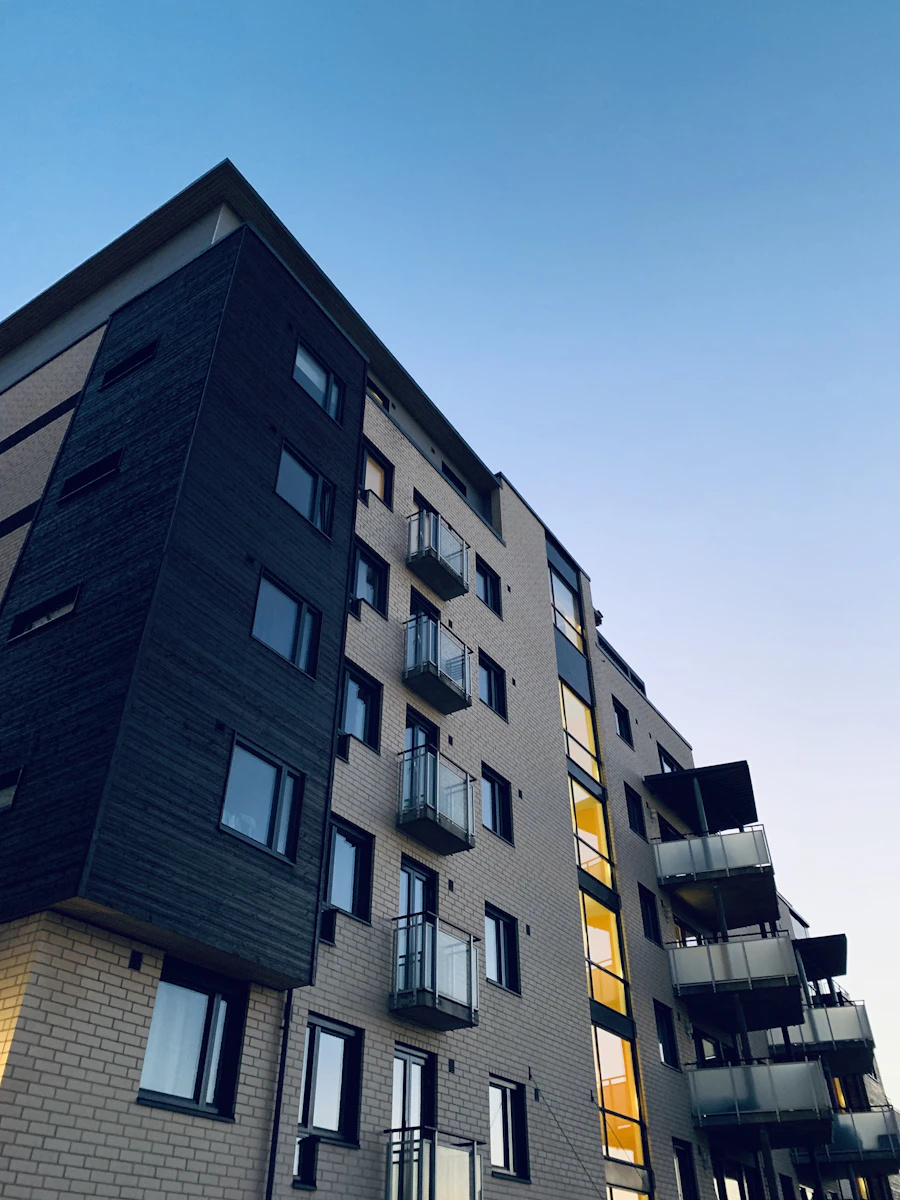
Multifamily residential apartment building exterior

Landlord Insurance

Owner rents to full-time tenants — residential or commercial.

Landlord insurance covers the building, other structures, lost rental income if a covered loss makes the unit uninhabitable, and the owner's liability for tenant or guest injuries. We recommend requiring your tenants to obtain a renters policy that covers their liability and personal property. We write landlord coverage for single-family rentals, two-to-four-unit residential, 5 or more units, mixed-use buildings, and commercial properties.

Furnished rental apartment interior with belongings

Renters Insurance

Tenant does not own the home.

If you rent, your landlord's policy protects the building — not your belongings, not your liability. This coverage will also pay for you to get temporary housing if the unit becomes uninhabitable. Renters insurance covers your personal property, gives you personal liability protection (including for incidents away from the apartment), and pays for additional living expenses if you're displaced. Renters insurance is one of the least expensive policies we offer, and the most under-purchased.

Modern condominium building with multiple units

Condo & Co-op Insurance

Multifamily property — owner owns their unit.

Condo and co-op owners need an HO-6 policy because the building's master policy from the association only covers the structure and common areas — not what's inside your walls. The policy covers your unit's interior (everything from the studs in, depending on your association's bylaws), your personal property, your liability, and additional living expenses. We can provide a certificate of insurance or binder for your co-op or condo association.

Historic storefronts line a charming small-town main street with awnings and signage

Business Owners Insurance

A business that needs property coverage with liability — whether the business owns or rents.

A Business Owners Policy (BOP) bundles commercial property, general liability, and business income coverage into one policy designed for small to mid-size businesses. It covers the building if you own it, or your build-out and contents if you rent, liability for customer or third-party injuries and property damage, and lost income if a covered loss shuts you down. We write BOPs for retail, professional offices, restaurants, contractors, and service businesses, and can add on cyber, employment practices liability, and equipment breakdown where the operation calls for it. We also offer Business Auto Insurance, also known as Commercial Auto Insurance.

How We Work

One call. Multiple carriers. The right policy.

We're a licensed insurance brokerage in New York. Representing multiple carriers, we will offer your property to the markets most likely to give you the best combination of price and coverage. Call 845-883-2201 to request a quote and we'll go over your requirements and options with you.